Where Glaciers Were
- Phil Smith
- Aug 1
- 5 min read

Updated: Aug 4
Before we went to Glacier National Park, we heard a lot about how the glaciers that still exist there are rapidly shrinking. That's true, they are. But it's important to know that those glaciers are not the ones that created the stunning...spectacular...breathtaking... you name it...landscape that the visitor sees today.

The glaciers that created that landscape lasted tens of thousands of years, were more than a mile thick and melted 10,000 - 8,000 years ago. The glaciers that exist today are the remnants of much smaller ones that formed between 1300 A.D and 1850 A.D during a period called the "Little Ice Age." And the rate of melting of what's left is speeding up due to climate change, which causes increased temperatures at higher elevations.
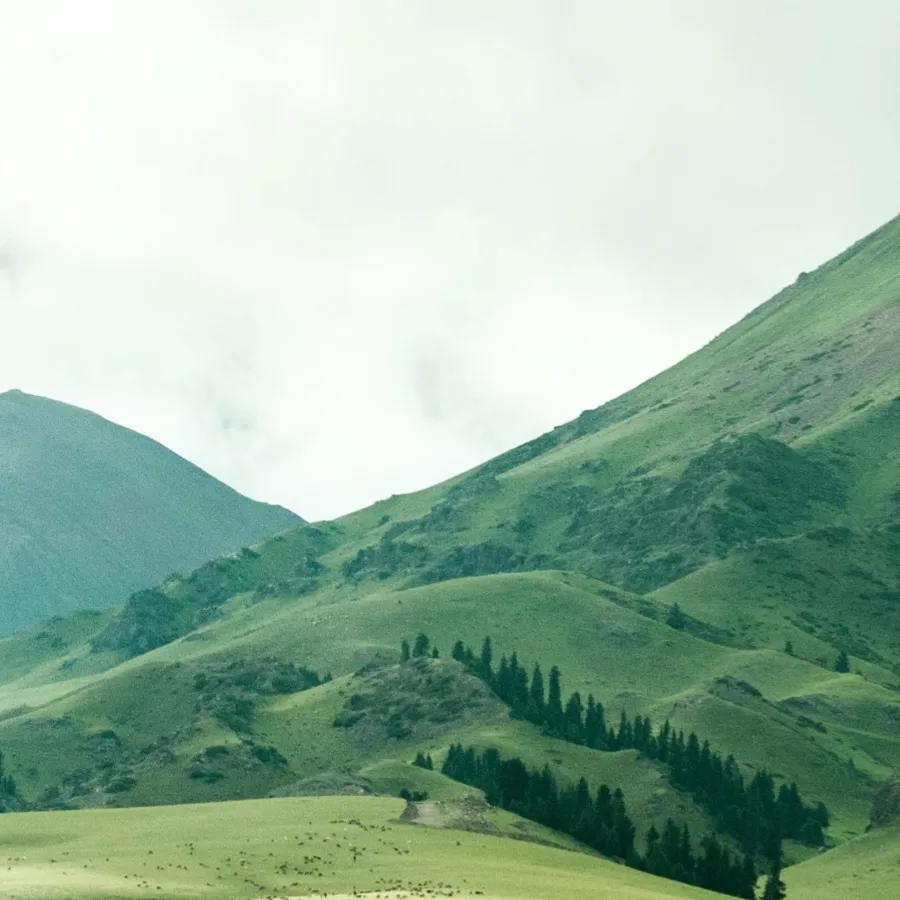
You can still see them, however, and they are still having an effect on the peaks where they exist. But to us they are a relatively minor aspect of visiting this park. The story here is the immense changes glaciation brought to this particular set of mountains on the east edge of the Rockies, and the vistas it created. The U-shaped glacial valleys and carved mountainsides are truly a wonder to behold.

We entered Glacier from the west side of the park, and immediately started driving on Going To The Sun Road, a drive that winds through some dense forest along McDonald Creek which tumbles down from the mountains and eventually feeds into the Columbia River.

But things soon change. After about 8 miles, the trees thin out and the mountains come into view. And what a view! A huge glacial valley opens up and the scope of the park is immense. The easiest way to see it is from the road, but there is an issue with that.


The road runs right along the mountainside. If you've got a thing about heights and tight roads, this one may not be for you. For the next 18 or so miles, you will climb along a 2-lane road that is in some spots no more that 20 feet wide. For much of it you are on the outside lane.
That meant that Phil saw almost none of the scenery that day except what was straight ahead while Ann saw it all and took lots of pictures. Here's a short video Phil put together that gives you an idea about what it was like to drive on that road:

After crossing the Continental Divide, we headed down to the east entrance of the park. Before getting there, however, we came upon a "bear jam," also known as people stopping their vehicles along the shoulders of the road and in the road itself to view and photograph a bear. This one was a grizzly bear, up a hill about 200 yards away which appeared to have absolutely no interest in what the annoying humans were doing.

We finally made it all the way through the park and arrived at our hotel at St. Mary, Montana. Our room was small, rustic and had only one rather rickety wicker-seat chair in the room. The good news was we finally had a use for the folding chairs we have hauled across the country.

After a lackluster dinner at the Lodge's restaurant, we headed back to the room. The next day we had a tour on one of the park's iconic Red Buses that took us back across the park on the Going To The Sun road. This time Phil could actualy see all the vistas and enjoy being on that road.

The Red Buses, built in in the 1930's but with new engines and suspension systems, are great touring vehicles. They hold about 18-20 people and have open roofs (which can be covered in bad weather) so that when they are stopped one can just stand up and take pictures. They are really cool and fun to ride in.

We went to the historic Lake McDonald Lodge, which was built to resemble a Swiss Alps chalet, then returned to St. Mary. We enjoyed the tour very much, even seeing perhaps the same bear we saw the previous day, as well as a black bear.

We woke up early again the next day for a tour of the park's Two Medicine valley. However, the yellow haze we had encountered driving east of the Cascades caught up with us in Glacier that day, and the grand vistas were gauzy at best. It was still a nice tour, although this guide was perhaps a bit more verbose than was needed.


That afternoon we drove ourselves to the Many Glacier Valley, which is along the park's east side close to the Canadian border. It does indeed have many glaciers and great vistas, but the smoky haze was unfortunately worse there. We did see the grand old Many Glacier Hotel nestled next to a lake in the heart of the valley.


Many Glacier was also perhaps the most crowded area we encountered in a very crowded park. We could not find a place to park at the hotel so we didn't get to actually go inside. Every parking area along the side of the road was also packed, although we did luckily find a space along one area and walked a nature path along the lake for a half-mile or so.
That night we enjoyed a few libations and decent bar food at the St. Mary Lodge bar, which is a lively place and a lot of fun. We headed off to bed, woke up early the next morning, packed the Road Warrior and headed south to our next stop, Missoula.
We want to go back to Glacier at a time when the fires in the northern US and Canada aren't burning. It unfortunately seems to be an annual event these days, in great part due to drier and hotter conditions caused by climate change in the great boreal forests that allow burns to persist for weeks instead of days.
It's a really spectacular place, and best seen in clear air and with fewer people. We'll plan accordingly next time.












Comments